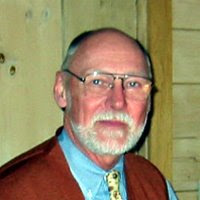
Fabulous day here - Carolina blue skies and and mild weather! As promised yesterday, I went golfing this morning. As hoped for yesterday, my stamina was not not. I did OK for the first seven holes, then the bottom fell out and I quit after nine.
I'll just keep nicking away at it and see how long it takes to come back.
Showing posts with label melanoma. Show all posts
Showing posts with label melanoma. Show all posts
Thursday, October 8, 2009


Wednesday, October 7, 2009
Day 8: Progress ...
Feeling reasonably good today; no evident symptoms. About 10:30 AM, I went over to the golf club and hit 50-60 practice balls. Afterward, I did feel some fatigue, but not enough to prevent me from booking a tee time for tomorrow. I'll take a cart in case I feel the need to bail out.
Later, on the Internet, PLX4032 was in today's OncologySTAT with a repeat of the prior Phase I trial and a more recent article from the 2009 October 1 Elesvier Global Medical News, "Targeted Therapy PLX4032 Takes Center Stage in Metastatic Melanoma." Like Gleevec, PLX4032 requires a gene mutation, BRAF/V600. Unlike Gleevec which requires requires C-KIT mutation which occurs in about 5% of melanoma sufferers, the V600 mutation occurs in about 60% of patients.
A Phase II trial is expected to be completed by the end of 2009, with a randomized Phase III trial to begin shortly thereafter. Something to keep in mind for possible next steps.
Later, on the Internet, PLX4032 was in today's OncologySTAT with a repeat of the prior Phase I trial and a more recent article from the 2009 October 1 Elesvier Global Medical News, "Targeted Therapy PLX4032 Takes Center Stage in Metastatic Melanoma." Like Gleevec, PLX4032 requires a gene mutation, BRAF/V600. Unlike Gleevec which requires requires C-KIT mutation which occurs in about 5% of melanoma sufferers, the V600 mutation occurs in about 60% of patients.
A Phase II trial is expected to be completed by the end of 2009, with a randomized Phase III trial to begin shortly thereafter. Something to keep in mind for possible next steps.
Tuesday, October 6, 2009
Day 7: Fatigue ...
Well, I do have to admit to some fatigue today. I went to the Fitness Center this morning and found my normal workout to be a bit too much. I managed everything but the second set of reps came down from 15 to 12 on three of the 8 machines and I was puffing more than usual after the elliptical run.
I'm home now and will shower after finishing this blog post - feels like a return to bed would be welcome after the shower, but I'm going to to try to maintain my normal routine. It's not a nap if I fall asleep in the chair while reading, is it?
I'm home now and will shower after finishing this blog post - feels like a return to bed would be welcome after the shower, but I'm going to to try to maintain my normal routine. It's not a nap if I fall asleep in the chair while reading, is it?
Monday, October 5, 2009
Day 6: After the Chemo...
My first day without chemo meds the night before began at 3:30 AM when I woke up with major stomach cramps, followed by five hours of distress. I'd been told to expect fatigue on the sixth day. I don't have any fatigue, unless you call voiding your bowels repeatedly fatigue - I certainly got tired of that concept quickly.
I called off my 12:30 golf game at 8:00 AM, but by noon I was thinking, well, I probably could have played. It was raining, so I didn't pursue this thought very long. I'll be monitoring progress and post anything of interest. October 19th starts the week that I should expect negative impact on my blood counts. My next doctor's appointment is October 22, 2009.
I called off my 12:30 golf game at 8:00 AM, but by noon I was thinking, well, I probably could have played. It was raining, so I didn't pursue this thought very long. I'll be monitoring progress and post anything of interest. October 19th starts the week that I should expect negative impact on my blood counts. My next doctor's appointment is October 22, 2009.
Sunday, October 4, 2009
Day 5: Last Day with Temodar
Here we are, on Sunday morning. I took my last dose of chemo meds last night; no evident side effects as of 10:14 AM. Walked Cookie, followed by grooming (not her favorite event), then I went to the Fitness Center.
After lunch, we're going to the movies to see "The Informant," then home for the golf matches on TV. Tough day.
I'm waiting to see what happens tomorrow and the next day when I've been told I will feel very fatigued. If I don't, I will really wonder if I got $2,500 worth of drugs or just some empty capsules.
Stay tuned.
After lunch, we're going to the movies to see "The Informant," then home for the golf matches on TV. Tough day.
I'm waiting to see what happens tomorrow and the next day when I've been told I will feel very fatigued. If I don't, I will really wonder if I got $2,500 worth of drugs or just some empty capsules.
Stay tuned.
Day 4: Normal, normal, normal...
Sorry I missed the post yesterday. A normal day, a long walk with Cookie, then 18 holes of golf. I slopped around the front nine with three pars in the middle surrounded by 6's and 7's for a 47. I was more consistent on the back nine, which I think is more difficult, for a 44.
Renee sauteed a very nice trout for dinner and I snitched a glass of 2007 Firestone Riesling, very good at a ridiculously low cost.
Renee sauteed a very nice trout for dinner and I snitched a glass of 2007 Firestone Riesling, very good at a ridiculously low cost.
Friday, October 2, 2009
Day 3: Same-o, Same-o
Again, a good nights sleep followed, today, with a trip to the Fitness Center. Still no evident side effects, although I'm feeling a little less energetic at the moment. So far, I'm finding this an interesting experience.
I've stopped aspirin - I didn't know it, but it take two weeks to get it out of your system. The third week in the four week temodar cycle is when your blood system takes the biggest hit, if it is going to happen. I'll see the doctor for tests in the fourth week to determine what's needed next.
I've stopped aspirin - I didn't know it, but it take two weeks to get it out of your system. The third week in the four week temodar cycle is when your blood system takes the biggest hit, if it is going to happen. I'll see the doctor for tests in the fourth week to determine what's needed next.
Tuesday, September 29, 2009
Beginning Treatment
Fed Ex is on the job - the chemotherapy drugs arrived today. Temodar (temozolomide), the jet fuel based chemo drug, Zofran (ondansetron HCL) and Prochlorper, both anti-nausea drugs. Zofran is taken before the Temodar to prevent nausea and vomiting, the other afterward, as needed, to prevent "breakout out events."
Since I haven't taken any drugs yet, there's not much to report. I will say how blessed I feel to have Medicare Part D and my supplemental insurance covering the Temodar costs - $2,500 for five days worth of pills.
Drum roll ...
Since I haven't taken any drugs yet, there's not much to report. I will say how blessed I feel to have Medicare Part D and my supplemental insurance covering the Temodar costs - $2,500 for five days worth of pills.
Drum roll ...
Saturday, September 26, 2009
Finally...
Yesterday, after seven weeks of waiting, I finally heard from Dana-Farber that my tumor tissue did not show evidence of the C-KIT mutation needed to participate in the Gleevec trial. The news was anti-climactic, because I had a CT scan on Thursday which showed continued tumor growths and my doctor and I felt more aggressive treatment was needed now.
The bottom line is that I will be starting on Temodar (temozolomide) on Monday. Temodar is an alkylating agent most active in the resting phase of a cell, but is non-cycle non-specific. It is classed as a Hydrazine or Triazine, which also include Altretamine, Procarbazine, and Dacarbazine. Like Dacarbazine, Temodar is a "pro-drug," which needs to be transformed to its active state by the patient's metabolism.
After nearly two months of waiting, it's pretty cool how fast things moved once the decision was made. A lab tech appeared and took blood samples for analysis, followed by a nurse who gave me a flu shot, then the nurse navigator took me down to the person who handles chemo prescriptions, who had already figured out how this was going to be paid for. All she needed to know was when I wanted to start. If I had said, "today,' she would have had the scrips (Temodar, plus two anti-nausea drugs) couriered over from the provider. Since I opted for Monday, the drugs will be sent to me at home.
Treatment consists of three 100 mg capsules taken two hours after my last meal each day for five consecutive days, preceded by a Zofran tab (anti-nausea) thirty minutes before the Temodar. There is also another anti-nausea drug to be taken every six-hours. (Guess what's a major side effect of Temodar). The five-day pill-taking cycle is followed by 23 days of doing nothing, other than recuperating from any side effects. I've been told I will be very fatigued on days 6 and 7.
Other side effects include the possibility of hair thinning, anorexia, headache, constipation, and myelosuppression (low blood counts). The last could lead to anemia and a weakened immune system, hence, the flu vaccination.
The plan is to do two 28-day cycles of Temodar, then, depending upon the outcome, decide what to do next. Stay tuned for progress reports.
The bottom line is that I will be starting on Temodar (temozolomide) on Monday. Temodar is an alkylating agent most active in the resting phase of a cell, but is non-cycle non-specific. It is classed as a Hydrazine or Triazine, which also include Altretamine, Procarbazine, and Dacarbazine. Like Dacarbazine, Temodar is a "pro-drug," which needs to be transformed to its active state by the patient's metabolism.
After nearly two months of waiting, it's pretty cool how fast things moved once the decision was made. A lab tech appeared and took blood samples for analysis, followed by a nurse who gave me a flu shot, then the nurse navigator took me down to the person who handles chemo prescriptions, who had already figured out how this was going to be paid for. All she needed to know was when I wanted to start. If I had said, "today,' she would have had the scrips (Temodar, plus two anti-nausea drugs) couriered over from the provider. Since I opted for Monday, the drugs will be sent to me at home.
Treatment consists of three 100 mg capsules taken two hours after my last meal each day for five consecutive days, preceded by a Zofran tab (anti-nausea) thirty minutes before the Temodar. There is also another anti-nausea drug to be taken every six-hours. (Guess what's a major side effect of Temodar). The five-day pill-taking cycle is followed by 23 days of doing nothing, other than recuperating from any side effects. I've been told I will be very fatigued on days 6 and 7.
Other side effects include the possibility of hair thinning, anorexia, headache, constipation, and myelosuppression (low blood counts). The last could lead to anemia and a weakened immune system, hence, the flu vaccination.
The plan is to do two 28-day cycles of Temodar, then, depending upon the outcome, decide what to do next. Stay tuned for progress reports.
Tuesday, September 1, 2009
Guided Imagery for Self-Healing
"Truth in Advertising" - this post tells you why imagery is important to healing, not how to do it.
Guided Imagery for Self-Healing is the title of a book by Martin L. Rossman, M.D. (see "Books & Articles" sidebar). The title also serves well as an introduction to another aspect of the mind-body connection.
Can you heal yourself by using your imagination?
We know that we can be "worried sick," why not imagined healthy?
Ever had a nightmare and awakened terrified, in a cold sweat, with a pounding heart?
The images created by your brain (imagination) produce the same physiological fight-or-flight response that would occur when confronted by the real thing. Film and TV images cause us to laugh, cry, sweat, faint and other emotional responses. Imagined images can, and do, produce the same physiological effects as externally generated images. From here, it is a small step to see how imagery can support wellness, too.
Research in psychoneuroimmunology (PNI) (cf my August 31, 2009 post) has identified a number of mechanisms that help us to understand how images affect the immune system. For example, research at Georgetown University by Nichols Hall has shown that visualizing an active immune system produces increased levels of the hormone alpha-thymosin which increases production and activation of T-cells, an essential immune system function. A 1996 meta-research review by Dr. Karen Olness at Case Western Reserve, found 18 out of 22 studies investigating whether or not the use of imagery can affect the production and activation of T-cells reported positive results.
In addition to direct effects, such as immune system support, imagery can be used for stress reduction, too. Stress has negative physiological effects, which lead to high blood pressure and other heart diseases, over-eating and obesity, diabetes, asthma, cramps and muscle pain, insomnia, headaches, and many other physical symptoms. Cancer patients, as I can attest, suffer from stress. Stress reduction using guided imagery or other relaxation techniques (breathing techniques, hypnosis, meditation, chanting, etc)are a useful first step toward attaining "right-mindedness" for the effective use of imagery for self-healing.
Everyone has the capacity to improve wellness through imagery; not everyone is willing to make the effort. The first requirement is the "willing suspension of disbelief;" the second is proper technique; and, the third is practice, practice, practice.
It's just like golf. Anyone can hit a golf ball; the hard part is to consistently hit it well. First, you have to believe you can hit the shot (visualize it); next, you strike the ball well, and lastly you practice doing the first two over and over again until you achieve automaticity - that is, to be able to repeat the stroke without conscious thought - the golfer's mantra: "Empty mind, Loose body"
Like golf, to use imagery to promote self-healing, you must believe that it can help the healing process,or at least willingly suspend disbelief; learn to practice effective techniques for relaxation and visualization; and, practice, practice, practice.
There are dozens of books, tapes, CD's, and DVD's available to assist in learning effective techniques, but beware, there is a lot of woo-woo stuff out there, so choose carefully. For those of us who need a "pro" to guide our practice, I suggest seeking out a licensed practitioner (M.D., Ph.D.)who is associated with a teaching hospital and specializes in pain management and cancer therapy, or an established center of practice, such as the Simonton Cancer Center.
Here is a non-exhaustive list of practitioners/authors/researchers for your use in seeking resources: Jeanne Achterberg,PhD; David Bresler,PhD,LAc; Hyla Cass,MD; James S. Gordon,MD; Stanley Krippner,PhD; Lewis Mehl-Madrona,MD,PhD; Emmett Miller,MD; Dean Ornish,MD; Kenneth R. Pelletier, PhD,MD(hc); Martin Rossman,MD; Francine Shapiro,PhD; C. Norman Shealy,MD; David Sobel,MD; Andrew Weil,MD.
Keep your eye on the ball and practice, practice, practice.
Guided Imagery for Self-Healing is the title of a book by Martin L. Rossman, M.D. (see "Books & Articles" sidebar). The title also serves well as an introduction to another aspect of the mind-body connection.
Can you heal yourself by using your imagination?
We know that we can be "worried sick," why not imagined healthy?
Ever had a nightmare and awakened terrified, in a cold sweat, with a pounding heart?
The images created by your brain (imagination) produce the same physiological fight-or-flight response that would occur when confronted by the real thing. Film and TV images cause us to laugh, cry, sweat, faint and other emotional responses. Imagined images can, and do, produce the same physiological effects as externally generated images. From here, it is a small step to see how imagery can support wellness, too.
Research in psychoneuroimmunology (PNI) (cf my August 31, 2009 post) has identified a number of mechanisms that help us to understand how images affect the immune system. For example, research at Georgetown University by Nichols Hall has shown that visualizing an active immune system produces increased levels of the hormone alpha-thymosin which increases production and activation of T-cells, an essential immune system function. A 1996 meta-research review by Dr. Karen Olness at Case Western Reserve, found 18 out of 22 studies investigating whether or not the use of imagery can affect the production and activation of T-cells reported positive results.
In addition to direct effects, such as immune system support, imagery can be used for stress reduction, too. Stress has negative physiological effects, which lead to high blood pressure and other heart diseases, over-eating and obesity, diabetes, asthma, cramps and muscle pain, insomnia, headaches, and many other physical symptoms. Cancer patients, as I can attest, suffer from stress. Stress reduction using guided imagery or other relaxation techniques (breathing techniques, hypnosis, meditation, chanting, etc)are a useful first step toward attaining "right-mindedness" for the effective use of imagery for self-healing.
Everyone has the capacity to improve wellness through imagery; not everyone is willing to make the effort. The first requirement is the "willing suspension of disbelief;" the second is proper technique; and, the third is practice, practice, practice.
It's just like golf. Anyone can hit a golf ball; the hard part is to consistently hit it well. First, you have to believe you can hit the shot (visualize it); next, you strike the ball well, and lastly you practice doing the first two over and over again until you achieve automaticity - that is, to be able to repeat the stroke without conscious thought - the golfer's mantra: "Empty mind, Loose body"
Like golf, to use imagery to promote self-healing, you must believe that it can help the healing process,or at least willingly suspend disbelief; learn to practice effective techniques for relaxation and visualization; and, practice, practice, practice.
There are dozens of books, tapes, CD's, and DVD's available to assist in learning effective techniques, but beware, there is a lot of woo-woo stuff out there, so choose carefully. For those of us who need a "pro" to guide our practice, I suggest seeking out a licensed practitioner (M.D., Ph.D.)who is associated with a teaching hospital and specializes in pain management and cancer therapy, or an established center of practice, such as the Simonton Cancer Center.
Here is a non-exhaustive list of practitioners/authors/researchers for your use in seeking resources: Jeanne Achterberg,PhD; David Bresler,PhD,LAc; Hyla Cass,MD; James S. Gordon,MD; Stanley Krippner,PhD; Lewis Mehl-Madrona,MD,PhD; Emmett Miller,MD; Dean Ornish,MD; Kenneth R. Pelletier, PhD,MD(hc); Martin Rossman,MD; Francine Shapiro,PhD; C. Norman Shealy,MD; David Sobel,MD; Andrew Weil,MD.
Keep your eye on the ball and practice, practice, practice.
Monday, August 31, 2009
The Mind-Body Connection
Google "mind-body connection" and you'll get more than 4.7 million hits covering everything from affective response to yoga. Too funky a reference, try "integrative medicine," or"psychoneuroimmunology."
Belief that the mind contributes to illness and wellness has existed least as long as there has been recorded history. "Writing near the time of the birth of Christ, the Stoic Lucius Seneca allowed that "it is part of the cure to wish to be cured." (Felten)
In 1981, neurobiologist David Felten and researchers at the Indiana University School of Medicine "...discovered a hard-wire connection between the human body's immune system and the central nervous system under control of the brain." (Felten). This finding gave substance to earlier research at the Rochester University Medical Center by pychologist Prof. Robert Ader (1974) who in rat studies, demonstrated the capacity of the rat-brain to shut down the immune system.
More than twenty years later there is still resistance from the traditional medical community to so-called "alternative medicine" based on the mind-body connection. The general response seems to be, "I doubt that it will help, but it probably won't hurt you either, so go ahead if you think it will help."
There is an interesting twist, probably unintended, within that comment. According to proponents of alternative medicine involving the mind-body connection, "...if you think it will help" is precisely when it will help. The opposite is true too, if you think it won't help, it won't. This is essentially the same premise on which Viktor Frankl's theory described in his Man's Search for Meaning (1956), is based, as well as the many books about the importance of "hope" for surviving cancer (see "books" sidebar).
In 2007, during my 50th University of Pennsylvania undergraduate reunion, I attended one of many seminars offered to alums. This one was at the Medical School, home of the Abramson Family Cancer Research Institute. During the presentation on new trends in cancer treatment, the following "story" was told;
The patient, an older man, was in the final stages of cancer, within days, weeks at most, of dying. The doctors didn't want to admit him to a clinical trail that had received very favorable initial reports, but the patient and his family insisted until finally he was admitted. Within days, his tumors began to shrink, and within months there was no evident disease. Shortly, thereafter, a more detailed research study of the drug effects was published showing the initial optimism was not justified and the new drug was no better than the standard treatment. After being made aware of the new data, the patient's tumors returned within days and the patient died with a few weeks.
Apocryphal? Possibly, even probably, but not uncommon of the kind of anecdotal evidence widely available and used to justify further research and to support a variety of mind-body practices.
Next post: Self-healing through Guided Imagery
Belief that the mind contributes to illness and wellness has existed least as long as there has been recorded history. "Writing near the time of the birth of Christ, the Stoic Lucius Seneca allowed that "it is part of the cure to wish to be cured." (Felten)
In 1981, neurobiologist David Felten and researchers at the Indiana University School of Medicine "...discovered a hard-wire connection between the human body's immune system and the central nervous system under control of the brain." (Felten). This finding gave substance to earlier research at the Rochester University Medical Center by pychologist Prof. Robert Ader (1974) who in rat studies, demonstrated the capacity of the rat-brain to shut down the immune system.
More than twenty years later there is still resistance from the traditional medical community to so-called "alternative medicine" based on the mind-body connection. The general response seems to be, "I doubt that it will help, but it probably won't hurt you either, so go ahead if you think it will help."
There is an interesting twist, probably unintended, within that comment. According to proponents of alternative medicine involving the mind-body connection, "...if you think it will help" is precisely when it will help. The opposite is true too, if you think it won't help, it won't. This is essentially the same premise on which Viktor Frankl's theory described in his Man's Search for Meaning (1956), is based, as well as the many books about the importance of "hope" for surviving cancer (see "books" sidebar).
In 2007, during my 50th University of Pennsylvania undergraduate reunion, I attended one of many seminars offered to alums. This one was at the Medical School, home of the Abramson Family Cancer Research Institute. During the presentation on new trends in cancer treatment, the following "story" was told;
The patient, an older man, was in the final stages of cancer, within days, weeks at most, of dying. The doctors didn't want to admit him to a clinical trail that had received very favorable initial reports, but the patient and his family insisted until finally he was admitted. Within days, his tumors began to shrink, and within months there was no evident disease. Shortly, thereafter, a more detailed research study of the drug effects was published showing the initial optimism was not justified and the new drug was no better than the standard treatment. After being made aware of the new data, the patient's tumors returned within days and the patient died with a few weeks.
Apocryphal? Possibly, even probably, but not uncommon of the kind of anecdotal evidence widely available and used to justify further research and to support a variety of mind-body practices.
Next post: Self-healing through Guided Imagery
Sunday, August 30, 2009
Beer and Pizza?
I workout three times a week. Here I am this morning grinding away on the elliptical and watching CNN on the TV to help pass the time. A medical segment comes on - "The Beer and Pizza Diet - a Cancer Cure" turns out it really isn't, but the segment is about the effect of diet generally on cancer prevention. View it at CNN.com (sorry about the commercial lead-in).
Coincidentally, I was planning my next posts on so-called "alternative therapies," so I'll begin with food. First off, there are no magic silver bullets, but there are some very interesting avenues for exploration. One is the effects of food as a form of chemotherapy; another is food and the mind-body connection - food today, mind-body tomorrow.
All foods consist of chemical components which are absorbed into the body with beneficial or detrimental effects. Green leaf vegetables like spinach, kale, and broccoli, root vegetables such as carrots, and fruits, notably blue berries, are associated with positive effects. High fat foods, red meat, and fried foods are associated with negative effects.
Generally, the positive effects work through supporting one or more essential bodily functions, notably, the immune system. As I learned from posting about immunotherapy, the immune system and its ability to generate T-cells is critical to the bodies defenses against cancer. It may play a less significant role than was once thought, but with costimulation or inhibition the performance of the immune system can be significantly improved. The bottom line, give your immune system all the support you can by eating healthily.
Conversely, combinations of foods consumed in quantities which lead to obesity are bad. When I was (much) younger and competing at an international level, I consumed 6,000 to 8,000 calories a day and had trouble keeping my weight up to 175 lbs. Within three months of retiring from competition, I was eating less than 2,500 calories a day and still ballooned to 220 pounds.
At the time I retired from work the first time in 2000, I weighed 195 and was leading an active life skiing in the winter and working outdoors in the summer. I decided to go to my high school 50th reunion in 2003; coincidentally, the year I first learned that I had melanoma. I decided that I would make the effort to get down to my high school graduation weight, 185 lbs - ah, vanity. It took about six months, but I did it.
When I learned I had melanoma, one of the first treatments I considered was chemotherapy that involved a toxic cocktail the side effects of which were so devastating and the reward so small, that I did not choose it. The experience did, however, convince me this was going to be a physical fight, so I'd better get into the best shape possible. Six years later, my weight is stable at 185, I've lost 4" around my waist, and I'm hitting my drives 15-20 yards farther - good stuff. The melanoma has spread, but I still feel healthy and mentally prepared for whatever the next treatment brings.
Next post: the mind-body connection.
Coincidentally, I was planning my next posts on so-called "alternative therapies," so I'll begin with food. First off, there are no magic silver bullets, but there are some very interesting avenues for exploration. One is the effects of food as a form of chemotherapy; another is food and the mind-body connection - food today, mind-body tomorrow.
All foods consist of chemical components which are absorbed into the body with beneficial or detrimental effects. Green leaf vegetables like spinach, kale, and broccoli, root vegetables such as carrots, and fruits, notably blue berries, are associated with positive effects. High fat foods, red meat, and fried foods are associated with negative effects.
Generally, the positive effects work through supporting one or more essential bodily functions, notably, the immune system. As I learned from posting about immunotherapy, the immune system and its ability to generate T-cells is critical to the bodies defenses against cancer. It may play a less significant role than was once thought, but with costimulation or inhibition the performance of the immune system can be significantly improved. The bottom line, give your immune system all the support you can by eating healthily.
Conversely, combinations of foods consumed in quantities which lead to obesity are bad. When I was (much) younger and competing at an international level, I consumed 6,000 to 8,000 calories a day and had trouble keeping my weight up to 175 lbs. Within three months of retiring from competition, I was eating less than 2,500 calories a day and still ballooned to 220 pounds.
At the time I retired from work the first time in 2000, I weighed 195 and was leading an active life skiing in the winter and working outdoors in the summer. I decided to go to my high school 50th reunion in 2003; coincidentally, the year I first learned that I had melanoma. I decided that I would make the effort to get down to my high school graduation weight, 185 lbs - ah, vanity. It took about six months, but I did it.
When I learned I had melanoma, one of the first treatments I considered was chemotherapy that involved a toxic cocktail the side effects of which were so devastating and the reward so small, that I did not choose it. The experience did, however, convince me this was going to be a physical fight, so I'd better get into the best shape possible. Six years later, my weight is stable at 185, I've lost 4" around my waist, and I'm hitting my drives 15-20 yards farther - good stuff. The melanoma has spread, but I still feel healthy and mentally prepared for whatever the next treatment brings.
Next post: the mind-body connection.
Wednesday, August 26, 2009
My Treatments
I've posted about the chemicals and vaccines. Now it's time to put the information to use to clarify my treatment options that I posted on August 13, 2009.
Option 1: Gleevec (Imatinib Mesylate). This drug is a protein-kinase inhibitor, specifically tyrosine kinase. It has been FDA-approved previously for the treatment of chronic myeloid leukemia (CML). It specifically targets an enzyme that allows the growth of cancer cells. This drug has been shown to significantly reduce the number of CML cells in treated patients within one to three months. The purpose of this trial is to determine how effective Gleevec is for melanoma that has spread from the skin to other parts of the body. The spread of melanoma cells is facilitated by the protein C-KIT, which is expressed as the result of a genetic defect in the tumor cells.
Gleevec is thought to bind to these defective cells and stop the spread of cancer. Side effects include fluid retention and edema, rashes, nausea and vomiting, diarrhea, heartburn, and headache. More serious side effects, which occur less frequently, include liver toxicity and internal bleeding.
This trial is available in Boston or Chapel Hill, NC. About one person in five whose melanoma began on the skin (as mine did)is expected to manifest the C-KIT mutation. My tumor tissues have been sent to a lab to determine if I have the C-KIT mutation present. If not, I'll proceed to Option 2.
Option 2: Temodar + ABT-888. Temodar (temozolomide) is classed as a lipid-soluble alkylating agent which crosses the blood-brain barrier, and has been used previously for treating certain brain tumors. ABT-888 is a PARP (Poly ADT-ribose polymerase) inhibitor. The PARP enzyme is active in cell growth and repair. Blocking PARP, may prevent the cancer cell from growing or repairing itself. Using the two in combination may make Temodar more effective.
This is a randomized, double-blind study with three arms, two of which use both agents in different dosages; the third (control) arm uses Temodar alone. Possible side effects include low platelet count increasing the possibility of bleeding, fatigue, constipation, nausea, diarrhea, vomiting, anorexia, and headaches.
This option is available in Charlotte, NC.
Option 3: Biovex. The lead product of Biovex Inc., now a part of Triathlon Medical Ventures, is OncoVEX, a manufactured, virus-containing vaccine to “carefully pollute cancer cells” while leaving other cells unaffected. The virus appears to be able to affect melanoma cells even after metastasis has begun. The assumption is that the cell pollution will lead to apoptosis or senescence.
The chief drawback of this trial is the there most be one or more tumors on or sufficiently near the skin surface for periodic biopsies to track the vaccine effect, a condition which I do not have at the moment. Side effects are unknown at this point. This treatment would be available in Chapel Hill.
Option 4: Avastin + Ipilimumab. Avastin (bevacizumab) is a monoclonal antibody produced in a laboratory and used in the treatment of colorectal cancers. It is classed as an Angiogenesis inhibitor. Avastin functions by blocking the action of the VEGF protein (vascular endothelial growth factor) which stimulates the growth of new blood vessels (angiogenesis); therby, denying new blood needed for tumor growth.
Avastin side effects include increased blood pressure, fatigue, muscle weakness, blood clots in veins, diarrhea, nausea, loss of appetite, low white cell count, headache, nosebleeds, and pain at the tumor site. More serious, less frequent effects include perforations, inability of wounds to heal, internal bleeding especially in patients with lung cancer, bleeding in the brain resulting in strokes, blood clots in arteries, uncontrolled high blood pressure, and kidney damage.
Ipilimumab is a human monoclonal antibody that binds to to a molecule on T cells (CTLA-4)that plays an important role in activating and regulation the immune system. Ipilimumab blocks CTLA-4 function, which otherwise suppresses the immune system. Maintaining an active immune system should make the Avastin treatment more effective and less debilitating.
In prior trial uses Of Ipilimumab, there has been about a 2% fatality rate and 20% auto-immune response. This trial is currently not recruiting, but might be available again in Boston in November.
Option 5: Temodar (temozolomide). This is currently the standard treatment for metastatic melanoma. Its function and effect would be the same as Arm 3 of Option 2 above.
This creates a quandary for me. If I chose Option 2, there is one chance in three of getting the same treatment as Option 5. The only differences are that I will have to go the Charlotte rather than Chapel Hill and participate in a significant number of procedures (exams, scans, blood tests) the only purpose of which would be to maintain the integrity of the double blind research design.
This point is irrelevant if my tumor profile shows the C-KIT mutation needed for participation in Option 1, so I’m holding my breath for another few days to get the answer.
Option 1: Gleevec (Imatinib Mesylate). This drug is a protein-kinase inhibitor, specifically tyrosine kinase. It has been FDA-approved previously for the treatment of chronic myeloid leukemia (CML). It specifically targets an enzyme that allows the growth of cancer cells. This drug has been shown to significantly reduce the number of CML cells in treated patients within one to three months. The purpose of this trial is to determine how effective Gleevec is for melanoma that has spread from the skin to other parts of the body. The spread of melanoma cells is facilitated by the protein C-KIT, which is expressed as the result of a genetic defect in the tumor cells.
Gleevec is thought to bind to these defective cells and stop the spread of cancer. Side effects include fluid retention and edema, rashes, nausea and vomiting, diarrhea, heartburn, and headache. More serious side effects, which occur less frequently, include liver toxicity and internal bleeding.
This trial is available in Boston or Chapel Hill, NC. About one person in five whose melanoma began on the skin (as mine did)is expected to manifest the C-KIT mutation. My tumor tissues have been sent to a lab to determine if I have the C-KIT mutation present. If not, I'll proceed to Option 2.
Option 2: Temodar + ABT-888. Temodar (temozolomide) is classed as a lipid-soluble alkylating agent which crosses the blood-brain barrier, and has been used previously for treating certain brain tumors. ABT-888 is a PARP (Poly ADT-ribose polymerase) inhibitor. The PARP enzyme is active in cell growth and repair. Blocking PARP, may prevent the cancer cell from growing or repairing itself. Using the two in combination may make Temodar more effective.
This is a randomized, double-blind study with three arms, two of which use both agents in different dosages; the third (control) arm uses Temodar alone. Possible side effects include low platelet count increasing the possibility of bleeding, fatigue, constipation, nausea, diarrhea, vomiting, anorexia, and headaches.
This option is available in Charlotte, NC.
Option 3: Biovex. The lead product of Biovex Inc., now a part of Triathlon Medical Ventures, is OncoVEX, a manufactured, virus-containing vaccine to “carefully pollute cancer cells” while leaving other cells unaffected. The virus appears to be able to affect melanoma cells even after metastasis has begun. The assumption is that the cell pollution will lead to apoptosis or senescence.
The chief drawback of this trial is the there most be one or more tumors on or sufficiently near the skin surface for periodic biopsies to track the vaccine effect, a condition which I do not have at the moment. Side effects are unknown at this point. This treatment would be available in Chapel Hill.
Option 4: Avastin + Ipilimumab. Avastin (bevacizumab) is a monoclonal antibody produced in a laboratory and used in the treatment of colorectal cancers. It is classed as an Angiogenesis inhibitor. Avastin functions by blocking the action of the VEGF protein (vascular endothelial growth factor) which stimulates the growth of new blood vessels (angiogenesis); therby, denying new blood needed for tumor growth.
Avastin side effects include increased blood pressure, fatigue, muscle weakness, blood clots in veins, diarrhea, nausea, loss of appetite, low white cell count, headache, nosebleeds, and pain at the tumor site. More serious, less frequent effects include perforations, inability of wounds to heal, internal bleeding especially in patients with lung cancer, bleeding in the brain resulting in strokes, blood clots in arteries, uncontrolled high blood pressure, and kidney damage.
Ipilimumab is a human monoclonal antibody that binds to to a molecule on T cells (CTLA-4)that plays an important role in activating and regulation the immune system. Ipilimumab blocks CTLA-4 function, which otherwise suppresses the immune system. Maintaining an active immune system should make the Avastin treatment more effective and less debilitating.
In prior trial uses Of Ipilimumab, there has been about a 2% fatality rate and 20% auto-immune response. This trial is currently not recruiting, but might be available again in Boston in November.
Option 5: Temodar (temozolomide). This is currently the standard treatment for metastatic melanoma. Its function and effect would be the same as Arm 3 of Option 2 above.
This creates a quandary for me. If I chose Option 2, there is one chance in three of getting the same treatment as Option 5. The only differences are that I will have to go the Charlotte rather than Chapel Hill and participate in a significant number of procedures (exams, scans, blood tests) the only purpose of which would be to maintain the integrity of the double blind research design.
This point is irrelevant if my tumor profile shows the C-KIT mutation needed for participation in Option 1, so I’m holding my breath for another few days to get the answer.
Tuesday, August 25, 2009
Immunotherapy
Is Vaccination against Cancer the Answer?
Initially considered a part of chemotherapy, cancer immunotherapy is evolving into its own class of treatments. The basic purpose is to stimulate a person’s immune system to build up its defenses against cancer to prevent its spread and eventually eliminate cancerous cells. The process, which most of us have experienced in childhood, is vaccination with a laboratory-manufactured antigen (vaccine) which stimulates the creation of disease fighting antibodies. Cancer vaccines can be made from the patient’s own tumor antigens or cells (autologous vaccine) or from someone else’s (allogeneic vaccine).
The elements of the immune system are your body’s soldiers. Dendritic cells act as scouts seeking out infections or diseases. When found the scouts capture data about the foreign cells and instruct the killer T-cells to attack and destroy it. The problem is that our “armies” are under-staffed, so the number of killer T-cells programmed to attack the tumor are insufficient to overwhelm it, unless the immune system can be stimulated to attack more aggressively (co-stimulation). The objective of immunotherapy is to get the immune system to direct a greater percentage of its killer T-cell army against the patient’s tumor to increase the probability of victory. Hoooah!
All T cells derive from haematopoietic stem cells in the bone marrow.
There are several types of T cells, each with its own function:
(1) Cytotoxic T cells (Tc), also know as C8+ T cells, destroy viral infections and tumor cells and are instrumental in transplant rejections.
(2) Helper T cells (Th) when activated divide rapidly and secrete small proteins (cytokines) that help the immune response. These cells are also the target of HIV infection.
(3) Regulatory T cells (Treg) act to shut down T cell mediated immunity toward the end of an immune reaction to prevent a body-damaging autoimmune response. Treg cells can be distinguished from other T cells by the presence of a FOCP3 intercellular molecule. Mutations of FOXP3 can prevent Treg development leading to a fatal autoimmune response.
(4)Natural Killer T cells (NKT) are lymphocytes that link the adaptive immune system with the innate immune system. Once activated these cells can perform the functions of Cytotoxic and Helper T cells, the release of cell killing molecules and cytokine production.
T cell Development and Activation
All T cells derive from haematopoietic stem cells in the bone marrow. The activation process begins with the release of hematopoietic (blood forming)progenitor stem cells populate the thymus and expand by cell division to create immature thymocytes - a lymphocyte that develops in the thymus and is the precursor of a T cell.
The thymocytes pass through a multi-stage process and emerge from the thymus into the surround tissue as immunocompetant T cells. Only 2% of thymocytes complete the process. The surviving cells are then activated through interaction with certain pre-existing antigen complexes or by molecular co-stimulation with antigen-presenting cells (APCs).
Certain cancer vaccines have added ingredients (adjuvents) that increases the antigenic response. Adjuvents include things like cytokines, proteins, bacteria, viruses, and chemicals. There have been promising results from studies in which vaccine has been used before or after treatment by other Cytotoxic treatments, as well as, vaccine alone.
Some vaccines, such as Ipilimumab, using monoclonal antibodies, identifiable by drug names ending in –mab, have shown promising results for some cancers, including melanoma.
The first vaccine approved in 1981 for cancer prevention protects against HBV infection (hepatitis B). Most children are vaccinated against HBV infection shortly after birth. In 2006 and 2008, Gardasil was approved for prevention of cervical cancer caused by human papillomavirus (HPV) types 6, 11, 16, and 18. Types 6 and 11 cause about 90% of genital warts; 16 and 18 cause about 70% of cervical cancers.
At this point, there are no other vaccines approved as mainline cancer treatments. There are many vaccines being tested in clinical trials, forty-five listed for melanoma. Here’s a typical example:
Vaccine Therapy in Treating Patients With Recurrent Stage III or Stage IV Melanoma That Cannot Be Removed by Surgery
Alternate Title: Pilot Study of a Peptide Vaccine Comprising MART-1:27-35 Peptide, gp100:209-217 (210M) Peptide, and Tyrosinase Peptide With Sargramostim (GM-CSF) and CpG 7909 Emulsified in Incomplete Freund's Adjuvant in Patients With Unresectable Recurrent Stage III or IV Melanoma.
Purpose: Vaccines made from peptides may help the body build an effective immune response to kill tumor cells. Giving vaccine therapy together with GM-CSF, CpG 7909, and incomplete Freund's adjuvant may make a stronger immune response and kill more tumor cells. This clinical trial is studying the side effects and how well vaccine therapy works in treating patients with recurrent stage III or stage IV melanoma that cannot be removed by surgery.
More information about vaccines and clinical trials can be found at cancer.gov.
So, forget all the mumbo jumbo, forget about looking for a quick fix, and support stem cell research. When the breakthrough in cancer treatment comes it will be huge and vaccines will be an important element.
Initially considered a part of chemotherapy, cancer immunotherapy is evolving into its own class of treatments. The basic purpose is to stimulate a person’s immune system to build up its defenses against cancer to prevent its spread and eventually eliminate cancerous cells. The process, which most of us have experienced in childhood, is vaccination with a laboratory-manufactured antigen (vaccine) which stimulates the creation of disease fighting antibodies. Cancer vaccines can be made from the patient’s own tumor antigens or cells (autologous vaccine) or from someone else’s (allogeneic vaccine).
The elements of the immune system are your body’s soldiers. Dendritic cells act as scouts seeking out infections or diseases. When found the scouts capture data about the foreign cells and instruct the killer T-cells to attack and destroy it. The problem is that our “armies” are under-staffed, so the number of killer T-cells programmed to attack the tumor are insufficient to overwhelm it, unless the immune system can be stimulated to attack more aggressively (co-stimulation). The objective of immunotherapy is to get the immune system to direct a greater percentage of its killer T-cell army against the patient’s tumor to increase the probability of victory. Hoooah!
All T cells derive from haematopoietic stem cells in the bone marrow.
There are several types of T cells, each with its own function:
(1) Cytotoxic T cells (Tc), also know as C8+ T cells, destroy viral infections and tumor cells and are instrumental in transplant rejections.
(2) Helper T cells (Th) when activated divide rapidly and secrete small proteins (cytokines) that help the immune response. These cells are also the target of HIV infection.
(3) Regulatory T cells (Treg) act to shut down T cell mediated immunity toward the end of an immune reaction to prevent a body-damaging autoimmune response. Treg cells can be distinguished from other T cells by the presence of a FOCP3 intercellular molecule. Mutations of FOXP3 can prevent Treg development leading to a fatal autoimmune response.
(4)Natural Killer T cells (NKT) are lymphocytes that link the adaptive immune system with the innate immune system. Once activated these cells can perform the functions of Cytotoxic and Helper T cells, the release of cell killing molecules and cytokine production.
T cell Development and Activation
All T cells derive from haematopoietic stem cells in the bone marrow. The activation process begins with the release of hematopoietic (blood forming)progenitor stem cells populate the thymus and expand by cell division to create immature thymocytes - a lymphocyte that develops in the thymus and is the precursor of a T cell.
The thymocytes pass through a multi-stage process and emerge from the thymus into the surround tissue as immunocompetant T cells. Only 2% of thymocytes complete the process. The surviving cells are then activated through interaction with certain pre-existing antigen complexes or by molecular co-stimulation with antigen-presenting cells (APCs).
Certain cancer vaccines have added ingredients (adjuvents) that increases the antigenic response. Adjuvents include things like cytokines, proteins, bacteria, viruses, and chemicals. There have been promising results from studies in which vaccine has been used before or after treatment by other Cytotoxic treatments, as well as, vaccine alone.
Some vaccines, such as Ipilimumab, using monoclonal antibodies, identifiable by drug names ending in –mab, have shown promising results for some cancers, including melanoma.
The first vaccine approved in 1981 for cancer prevention protects against HBV infection (hepatitis B). Most children are vaccinated against HBV infection shortly after birth. In 2006 and 2008, Gardasil was approved for prevention of cervical cancer caused by human papillomavirus (HPV) types 6, 11, 16, and 18. Types 6 and 11 cause about 90% of genital warts; 16 and 18 cause about 70% of cervical cancers.
At this point, there are no other vaccines approved as mainline cancer treatments. There are many vaccines being tested in clinical trials, forty-five listed for melanoma. Here’s a typical example:
Vaccine Therapy in Treating Patients With Recurrent Stage III or Stage IV Melanoma That Cannot Be Removed by Surgery
Alternate Title: Pilot Study of a Peptide Vaccine Comprising MART-1:27-35 Peptide, gp100:209-217 (210M) Peptide, and Tyrosinase Peptide With Sargramostim (GM-CSF) and CpG 7909 Emulsified in Incomplete Freund's Adjuvant in Patients With Unresectable Recurrent Stage III or IV Melanoma.
Purpose: Vaccines made from peptides may help the body build an effective immune response to kill tumor cells. Giving vaccine therapy together with GM-CSF, CpG 7909, and incomplete Freund's adjuvant may make a stronger immune response and kill more tumor cells. This clinical trial is studying the side effects and how well vaccine therapy works in treating patients with recurrent stage III or stage IV melanoma that cannot be removed by surgery.
More information about vaccines and clinical trials can be found at cancer.gov.
So, forget all the mumbo jumbo, forget about looking for a quick fix, and support stem cell research. When the breakthrough in cancer treatment comes it will be huge and vaccines will be an important element.
Monday, August 24, 2009
Chemotherapy - Drug Classification II
Mechanisms of Action
A second method of classification involves grouping by the mechanism of action – how the drug of choice works. The two main ways in which anti-cancer drugs work is through inhibition or disruption of normal DNA functions.
Angiogenesis Inhibitors
Cancer tumor cells require additional blood supply. Angiogenesis is the process by which cancer cells form new blood vessels to support tumor growth. These blood vessels also facilitate the spread of cancer cells (metastases). Inhibiting angiogenesis “starves” the tumor cells leading apoptosis or senescence and may limits the spread of cancer cells to surrounding areas. Thalidomide, associated with severe birth defects, is now being considered for anti-cancer use because of its angiogenesis inhibiting properties. Other drugs used include Endostatin, Fumagillin, Genestein, and Monocycline, etc.
DNA Intercalators/Cross-linkers
Intercalation refers to the act of inserting a DNA altering substance. Cross-linking involves building a connection (link) between gene strands. Either process is intended to alter the DNA structure of a tumor cell to disrupt its function. Carboplatin and Oxyplatin form cytotoxic adducts with DNA and induces apoptosis. Bleomycin inhibits DNA synthesis, induces breaks in base DNA sequences, and inhibits tumor angiogenesis. Other drugs in this group include Carmustine, Chlorambucil, and Cyclophosphamide.
DNA Synthesis Inhibitors
Synthesis is the process by which cancer cells split and proliferate. Synthesis inhibitors, as the name suggests, are more active in the S phase of the cell cycle. These drugs bind to specific DNA types to block production of enzymes needed for cell synthesis. For example, Menthtrexate and Aminopterin are folic acid antagonists which block thymidine biosynthesis by which cells in S phase are synchronized. Other drugs in this class work similarly to inhibit production different enzymes also affecting synthesis.
DNA-RNA Transcription Regulators
During cell synthesis, the cell’s DNA template synthesizes messenger RNA to carry genetic information from the DNA molecule to new cells. This process is called transcription, a necessary function for cell replacement. Unfortunately, it works as well for tumor cells as it does for normal cells. DNA-RNA Transcription regulators attempt to block synthesis and or induce apoptosis in cancer cells by inhibiting or reversing production of RNA components. For example, Actinomycin D works by inhibiting cell proliferation and blocking production of mRNA by RNA polymerase to induce apoptosis.
Enzyme Inhibitors
Molecules that bind to enzymes and decrease their activity are called enzyme inhibitors. The following picture shows a representation of HIV protesase enzyme as red, blue and yellow ribbons with the bound protease inhibitor ritonavir as a stick-and-ball model in the center.

Different drugs bind to different enzymes to increase the specificity of drug choice. Enzyme inhibitor binding is either reversible or irreversible. Irreversible inhibitors change the chemical composition of the enzyme. Reversible inhibitors produce different types of inhibition depending upon whether it binds with the enzyme, the enzyme sub-strate complex, or both. In either case, the purpose is interrupt the enzyme activity resulting in apoptosis and/or interruption of synthesis and transcription.
Gene Regulation (therapeutic gene modulation)
This class of drugs alters the expression transcription, translation, and phenotypic manifestation) of a gene at one of the various stages. Most clinical research seems to be in the area of translation through RNA interference. Examples include Melatonin which inhibits proliferation of breast cancer cells by inhibiting estrogen receptor action and Tamoxifen, a selective estrogen response modifier used with estrogen-sensitive tumors.
Microtubule Inhibitors
Microtubules are cylindrical, hollow structures that support cell structure and facilitate cellular movement and transport. Tubulin, a globular protein, is the basic structural constituent of microtubules. Most drugs in this class function by binding to tubulin or β-tubulin to induce apoptosis or prevent cell division. Paclitaxel and Navelbine are two examples.
New drugs are appearing almost weekly, many with unique functions that do not easily fall into on of these classes.
For more information about specific drugs, visit Chemocare.com
A second method of classification involves grouping by the mechanism of action – how the drug of choice works. The two main ways in which anti-cancer drugs work is through inhibition or disruption of normal DNA functions.
Angiogenesis Inhibitors
Cancer tumor cells require additional blood supply. Angiogenesis is the process by which cancer cells form new blood vessels to support tumor growth. These blood vessels also facilitate the spread of cancer cells (metastases). Inhibiting angiogenesis “starves” the tumor cells leading apoptosis or senescence and may limits the spread of cancer cells to surrounding areas. Thalidomide, associated with severe birth defects, is now being considered for anti-cancer use because of its angiogenesis inhibiting properties. Other drugs used include Endostatin, Fumagillin, Genestein, and Monocycline, etc.
DNA Intercalators/Cross-linkers
Intercalation refers to the act of inserting a DNA altering substance. Cross-linking involves building a connection (link) between gene strands. Either process is intended to alter the DNA structure of a tumor cell to disrupt its function. Carboplatin and Oxyplatin form cytotoxic adducts with DNA and induces apoptosis. Bleomycin inhibits DNA synthesis, induces breaks in base DNA sequences, and inhibits tumor angiogenesis. Other drugs in this group include Carmustine, Chlorambucil, and Cyclophosphamide.
DNA Synthesis Inhibitors
Synthesis is the process by which cancer cells split and proliferate. Synthesis inhibitors, as the name suggests, are more active in the S phase of the cell cycle. These drugs bind to specific DNA types to block production of enzymes needed for cell synthesis. For example, Menthtrexate and Aminopterin are folic acid antagonists which block thymidine biosynthesis by which cells in S phase are synchronized. Other drugs in this class work similarly to inhibit production different enzymes also affecting synthesis.
DNA-RNA Transcription Regulators
During cell synthesis, the cell’s DNA template synthesizes messenger RNA to carry genetic information from the DNA molecule to new cells. This process is called transcription, a necessary function for cell replacement. Unfortunately, it works as well for tumor cells as it does for normal cells. DNA-RNA Transcription regulators attempt to block synthesis and or induce apoptosis in cancer cells by inhibiting or reversing production of RNA components. For example, Actinomycin D works by inhibiting cell proliferation and blocking production of mRNA by RNA polymerase to induce apoptosis.
Enzyme Inhibitors
Molecules that bind to enzymes and decrease their activity are called enzyme inhibitors. The following picture shows a representation of HIV protesase enzyme as red, blue and yellow ribbons with the bound protease inhibitor ritonavir as a stick-and-ball model in the center.

Different drugs bind to different enzymes to increase the specificity of drug choice. Enzyme inhibitor binding is either reversible or irreversible. Irreversible inhibitors change the chemical composition of the enzyme. Reversible inhibitors produce different types of inhibition depending upon whether it binds with the enzyme, the enzyme sub-strate complex, or both. In either case, the purpose is interrupt the enzyme activity resulting in apoptosis and/or interruption of synthesis and transcription.
Gene Regulation (therapeutic gene modulation)
This class of drugs alters the expression transcription, translation, and phenotypic manifestation) of a gene at one of the various stages. Most clinical research seems to be in the area of translation through RNA interference. Examples include Melatonin which inhibits proliferation of breast cancer cells by inhibiting estrogen receptor action and Tamoxifen, a selective estrogen response modifier used with estrogen-sensitive tumors.
Microtubule Inhibitors
Microtubules are cylindrical, hollow structures that support cell structure and facilitate cellular movement and transport. Tubulin, a globular protein, is the basic structural constituent of microtubules. Most drugs in this class function by binding to tubulin or β-tubulin to induce apoptosis or prevent cell division. Paclitaxel and Navelbine are two examples.
New drugs are appearing almost weekly, many with unique functions that do not easily fall into on of these classes.
For more information about specific drugs, visit Chemocare.com
Saturday, August 22, 2009
Chemotherapy – Targeting
In my most recent (I don’t use “last” anymore) post, I mentioned the 4-phase cell cycle and suggested that tumor cells are most sensitive to chemotherapy in the G1 and M phases. Sounds like a logical approach to targeted treatment would include identifying the cell state and treating it when it is most sensitive. Logical, but unfortunately not practical, as cells don’t cycle through their phases in lockstep and the time span of each cycle will vary and be too short to be useful.
So what can be done to improve targeting? Virtually all of the newest research is focusing on DNA/RNA for the answer. Preliminary results suggest that the genetic structure of a person’s cells, especially tumor cells, can provide valuable information about how to attack cancer for a specific individual, as well, more general approaches.
Targeted therapies, which include cell growth inhibitors and immunotherapy, are emerging as a fourth approach, different from chemotherapy. A distinction being made is that traditional chemo- is a “chemical approach to a biological program,” where as targeted therapies can be characterized as a “biological approach to a chemical problem,”
Although there is a growing belief that traditional chemo is more limited in what can be achieved than targeted therapies, there are still benefits to be gained from genetic research, especially in choosing the most appropriate chemical approach and avoiding more harmful ones. It is likely, therefore, that genetic profiling will become one of the baseline tests for cancer treatment. Lobby you insurer and Congress folk to make sure it is covered by private insurance, Medicare, and Medicaid – it’s not cheap yet.
Truth in advertising – genetic profiling is a powerful tool in the fight against cancer. Unfortunately, in order to be most useful, tumor cells must be present and accessible. For example, when I had my first episode of a very small tumor in my lung, it was removed surgically. At that point, I was “NED” – no evident disease. Shortly thereafter a promising clinical trial opened up, but I was ineligible because you must have detectable, observable tumors so the clinician-researchers can determine the effect of the treatment being tested. For a melanoma patient, this is particularly frustrating, because you know the mutated cells are there, they’re just too small to be detected.
Again, within the last month, a new trial for an immunotherapy agent was announced. This time, with tumor aplenty, I am still ineligible because the lesion must be on the skin or sufficiently close under the skin so it can be accessed physically and fairly frequently. Mine are out of reach without significant surgical damage – ineligible.
In my next post, I will have more to say about traditional chemical approaches and how it is being modified by new knowledge.
Pip pip – stiff upper lip.
So what can be done to improve targeting? Virtually all of the newest research is focusing on DNA/RNA for the answer. Preliminary results suggest that the genetic structure of a person’s cells, especially tumor cells, can provide valuable information about how to attack cancer for a specific individual, as well, more general approaches.
Targeted therapies, which include cell growth inhibitors and immunotherapy, are emerging as a fourth approach, different from chemotherapy. A distinction being made is that traditional chemo- is a “chemical approach to a biological program,” where as targeted therapies can be characterized as a “biological approach to a chemical problem,”
Although there is a growing belief that traditional chemo is more limited in what can be achieved than targeted therapies, there are still benefits to be gained from genetic research, especially in choosing the most appropriate chemical approach and avoiding more harmful ones. It is likely, therefore, that genetic profiling will become one of the baseline tests for cancer treatment. Lobby you insurer and Congress folk to make sure it is covered by private insurance, Medicare, and Medicaid – it’s not cheap yet.
Truth in advertising – genetic profiling is a powerful tool in the fight against cancer. Unfortunately, in order to be most useful, tumor cells must be present and accessible. For example, when I had my first episode of a very small tumor in my lung, it was removed surgically. At that point, I was “NED” – no evident disease. Shortly thereafter a promising clinical trial opened up, but I was ineligible because you must have detectable, observable tumors so the clinician-researchers can determine the effect of the treatment being tested. For a melanoma patient, this is particularly frustrating, because you know the mutated cells are there, they’re just too small to be detected.
Again, within the last month, a new trial for an immunotherapy agent was announced. This time, with tumor aplenty, I am still ineligible because the lesion must be on the skin or sufficiently close under the skin so it can be accessed physically and fairly frequently. Mine are out of reach without significant surgical damage – ineligible.
In my next post, I will have more to say about traditional chemical approaches and how it is being modified by new knowledge.
Pip pip – stiff upper lip.
Friday, August 21, 2009
Chemotherapy – Introduction
The object of chemotherapy, as is true of all cancer therapies, is to kill cancerous cells without doing significant damage to normal cells in the surrounding tissue. As discussed in earlier posts, radiation therapy attempts to do this with targeted beams of energy radiation (cf my May 22, 2009 post). Surgery physically removes cancerous cells, whenever possible using minimally invasive procedures, such as video assisted thoracic surgery (VATS).
At its most basic level, all cancer is dysfunctional cellular mutation; that is, cell mutation which produces negative consequences. Until relatively recently, chemotherapy has been limited to the use of drugs which do not discriminate well between cancerous and non-cancerous cells. The results from the Human Genome Project are now contributing to the development of more targeted approaches for chemotherapy, allowing potential intervention at the sub-cellular level (DNA/RNA) to inhibit further mutation or induce cell death in cancerous cells by interrupting its growth cycle.
All cells go through four phases, referred to as the “cell cycle,” G1, S, G2, and M. G1 is most active in protein synthesis, during which few chemotherapy agents are effective. DNA replication is most active during the S phase, during which the cell is highly sensitive to some chemotherapy drugs. During G2, RNA is most active and some protein is formed. The M phase is when cell division (mitosis) occurs.
Consequently, many of the new approaches involve DNA modification of destruction. However, the human body has its own defenses against DNA damage, which work to repair damage, whether its from the cancer itself or a well-meant attempt to kill cancerous cells. The result is that, while the chemical intervention may kill the cancerous cell, it may also overwhelm the immune system, with its attendant risk of infections, or so stimulate the immune system that it produces an auto-immune response with risks, such as lupus or rheumatoid arthritis. The challenge of chemotherapy, as always, is to get the right drug, to the right cell, in the right amount, at the right time.
More about how that is happening later.
At its most basic level, all cancer is dysfunctional cellular mutation; that is, cell mutation which produces negative consequences. Until relatively recently, chemotherapy has been limited to the use of drugs which do not discriminate well between cancerous and non-cancerous cells. The results from the Human Genome Project are now contributing to the development of more targeted approaches for chemotherapy, allowing potential intervention at the sub-cellular level (DNA/RNA) to inhibit further mutation or induce cell death in cancerous cells by interrupting its growth cycle.
All cells go through four phases, referred to as the “cell cycle,” G1, S, G2, and M. G1 is most active in protein synthesis, during which few chemotherapy agents are effective. DNA replication is most active during the S phase, during which the cell is highly sensitive to some chemotherapy drugs. During G2, RNA is most active and some protein is formed. The M phase is when cell division (mitosis) occurs.
Consequently, many of the new approaches involve DNA modification of destruction. However, the human body has its own defenses against DNA damage, which work to repair damage, whether its from the cancer itself or a well-meant attempt to kill cancerous cells. The result is that, while the chemical intervention may kill the cancerous cell, it may also overwhelm the immune system, with its attendant risk of infections, or so stimulate the immune system that it produces an auto-immune response with risks, such as lupus or rheumatoid arthritis. The challenge of chemotherapy, as always, is to get the right drug, to the right cell, in the right amount, at the right time.
More about how that is happening later.
Thursday, August 13, 2009
Update on My Treatment Plan
After a visit to Dana-Farber Cancer Institute in Boston earlier this month and some additional reserch, my UNC oncologist and I now have a treatment plan, with contingencies. It looks like a Imatinib Mesylate (Gleevec) clinical trial at Boston or Chapel Hill, if my tumor shows a KIT mutation; if not, a Temodar + ABT-888 trial in Charlotte, NC, or Temodar (temozolomide) alone at UNC. If that doesn't work and there is a lesion on or just below the skin, a Biovex trial. No skin lesion, an Avastin + Ipilimumab trial.
I stuck this post in here between blogging about new treatment options, so you can see that at least one person may be benefitting from the availability of research and clinical trials for melanoma and gets to feel good about contributing to the knowledge base.
Keep smilin'
I stuck this post in here between blogging about new treatment options, so you can see that at least one person may be benefitting from the availability of research and clinical trials for melanoma and gets to feel good about contributing to the knowledge base.
Keep smilin'
Thursday, August 6, 2009
Advances in Cancer Treatment
I am in awe of the changes in cancer treatment that have occurred since I was first diagnosed with prostate cancer in 1998.. At that time, I had three options: (1) Surgery (the "gold standard'); (2) radioactive seeds; and (3) watchful waiting. Now, surgery, in most cases, is the last choice.
In 2003 when I was first diagnosed with melanoma, I had four choices: (1) Surgery; (2) radiation; (3) chemotherapy; and (4) watchful waiting. Surgery meant whacking out cancerous body parts, when necessary replacing critical parts, if available.
Chemotherapy consisted of injections of various and sundry combinations of highly toxic chemicals which killed cells, both mutated and normal, with the hope that with the correct dosage, you wouldn't die from the treatment before the normal cells had time to regenerate.
Radiation was, similarly, a shotgun approach - fire a beam through the tumor to kill it and every other cell in the beam path before and after the targeted tumor.
Now, in August 2009, I still have the same four choices at the macro level: (1) Surgery; (2) radiation; (3) chemotherapy; and (4) watchful waiting, but a world of difference at the micro-level.
Surgical options now include minimally invasive procedures, for example, in 2007, when a lesion was found in my lung, I had it removed by Video Assisted Thoracic Surgery (VATS), procedure which require three 1" incisions for the insertion of a fiber optic connected video camera and two resection tools, used a bit like chopsticks, to remove the tumor. I was out of the hospital in three days and playing golf in less than 4 weeks. The surgeon had suggested a shortened back swing would probably help my golf game. In my case, the surgeon was physically present, but similar procedures, and even much more complicated ones, are now done routinely using robotic surgery during which the surgeon may be hundreds, even thousands of miles distant.
Radiation need no longer only be a through-and-through blast as from a shotgun. In my May 23 entry, I described my experience with Cyberknife, a way to deliver multiple low doses of radiation with very narrow beams intersecting at the tumor site. The dose level for each beam is so low that it is lethal to cells only at the point of intersection where all the beams, 270 in my case, converge to kill cancer cells with their cumulative effect.
If this is not enough, you can bring out the really big gun - proton beam therapy - which uses a particle accelerator, once called an "atom smasher," to fire an atomic particle (proton) at a tumor where it "explodes" releasing its energy to kill the tumor cells without affecting the surrounding tissue. Like Cyberknife, the entire process is computer-controlled and the proton delivery can be controlled in 3-D to the exact size and configuration of the targeted tumor.
Although not a treatment option, cancer care has been dramatically improved by the use of radiation for scanning for both diagnosis and during treatment to track progress. While X-rays are still used for two-dimensional imaging, computed axial tomography (CAT or CT scans), Positron emission tomography (PET scans), and magnetic resonance imaging (MRI scans) offer 3-D images in great detail. Although similar in concept, each has its strengths , and in some instances are used sequentially for greater resolution or in different areas of the body. For example, a brain scan is usually done with MRI. Scans may be done with or without "contrasts," which are injected or swallowed fluids which include a dye, radio-opaque substance, or radioactive tracer used to improve the tumor image.
I've had them all multiple times and can attest to the fact that they are not invasive or painful. Yes, there may be discomfort from lying still for 30 or 40 minutes or from an MRI's loud thumping (ask for earplugs if they are not offered), or the threat of mild claustrophobia from the tight quarters of the short tunnel through which you slide during the process. My strategy is to ask how long will the process take, figure out how many seconds it will be, close my eyes, and start counting breaths. If I don't fall asleep, which usually happens, my count never reaches the estimated number of seconds before the process ends, so the end comes as a pleasant surprise.
The advances in Chemotherapy are so numerous that they warrant a post of their own. That's next.
In 2003 when I was first diagnosed with melanoma, I had four choices: (1) Surgery; (2) radiation; (3) chemotherapy; and (4) watchful waiting. Surgery meant whacking out cancerous body parts, when necessary replacing critical parts, if available.
Chemotherapy consisted of injections of various and sundry combinations of highly toxic chemicals which killed cells, both mutated and normal, with the hope that with the correct dosage, you wouldn't die from the treatment before the normal cells had time to regenerate.
Radiation was, similarly, a shotgun approach - fire a beam through the tumor to kill it and every other cell in the beam path before and after the targeted tumor.
Now, in August 2009, I still have the same four choices at the macro level: (1) Surgery; (2) radiation; (3) chemotherapy; and (4) watchful waiting, but a world of difference at the micro-level.
Surgical options now include minimally invasive procedures, for example, in 2007, when a lesion was found in my lung, I had it removed by Video Assisted Thoracic Surgery (VATS), procedure which require three 1" incisions for the insertion of a fiber optic connected video camera and two resection tools, used a bit like chopsticks, to remove the tumor. I was out of the hospital in three days and playing golf in less than 4 weeks. The surgeon had suggested a shortened back swing would probably help my golf game. In my case, the surgeon was physically present, but similar procedures, and even much more complicated ones, are now done routinely using robotic surgery during which the surgeon may be hundreds, even thousands of miles distant.
Radiation need no longer only be a through-and-through blast as from a shotgun. In my May 23 entry, I described my experience with Cyberknife, a way to deliver multiple low doses of radiation with very narrow beams intersecting at the tumor site. The dose level for each beam is so low that it is lethal to cells only at the point of intersection where all the beams, 270 in my case, converge to kill cancer cells with their cumulative effect.
If this is not enough, you can bring out the really big gun - proton beam therapy - which uses a particle accelerator, once called an "atom smasher," to fire an atomic particle (proton) at a tumor where it "explodes" releasing its energy to kill the tumor cells without affecting the surrounding tissue. Like Cyberknife, the entire process is computer-controlled and the proton delivery can be controlled in 3-D to the exact size and configuration of the targeted tumor.
Although not a treatment option, cancer care has been dramatically improved by the use of radiation for scanning for both diagnosis and during treatment to track progress. While X-rays are still used for two-dimensional imaging, computed axial tomography (CAT or CT scans), Positron emission tomography (PET scans), and magnetic resonance imaging (MRI scans) offer 3-D images in great detail. Although similar in concept, each has its strengths , and in some instances are used sequentially for greater resolution or in different areas of the body. For example, a brain scan is usually done with MRI. Scans may be done with or without "contrasts," which are injected or swallowed fluids which include a dye, radio-opaque substance, or radioactive tracer used to improve the tumor image.
I've had them all multiple times and can attest to the fact that they are not invasive or painful. Yes, there may be discomfort from lying still for 30 or 40 minutes or from an MRI's loud thumping (ask for earplugs if they are not offered), or the threat of mild claustrophobia from the tight quarters of the short tunnel through which you slide during the process. My strategy is to ask how long will the process take, figure out how many seconds it will be, close my eyes, and start counting breaths. If I don't fall asleep, which usually happens, my count never reaches the estimated number of seconds before the process ends, so the end comes as a pleasant surprise.
The advances in Chemotherapy are so numerous that they warrant a post of their own. That's next.
Sunday, June 7, 2009
More about Genetics and Melanoma
In addition to the Genetic Profiling link in the Sidebar to an article about the work a Mass General, there was a brief article in the June6, 2009 Wall Street Journal, which illustrates why genetic profiling is valuable for cancer treatments. The article by Ron Winslow, "Skin-Cancer Drug Uses Genetics," reports that "... nine of 16 patients with the malignant skin cancer (melanoma) experienced significant shrinkage of their tumors when given a drug know as PLX4032," which is being developed by Roche Holding AG and Plexxicon, Inc.
The genetically signicant fact is that all of the tumors treated had "... a mutation in a gene for a protein called BRAF that is believed to play a critical role in up to 60% of patients with the cancer." The drug is one of a class of emerging products called BRAF-inhibitors. Although the role of the BRAF mutation has been known since 2002, to date there has been little success in efforst to target the defect.
It's too early to tell whether or not this newest effort will prove out, but, to me, it makes the effort at Mass General even more important and gives me some ammunition with which to prod my oncologists and the barest hint of a ray of hope for the future.
C'mon guys, keep kicking in those bucks for cancer research!
The genetically signicant fact is that all of the tumors treated had "... a mutation in a gene for a protein called BRAF that is believed to play a critical role in up to 60% of patients with the cancer." The drug is one of a class of emerging products called BRAF-inhibitors. Although the role of the BRAF mutation has been known since 2002, to date there has been little success in efforst to target the defect.
It's too early to tell whether or not this newest effort will prove out, but, to me, it makes the effort at Mass General even more important and gives me some ammunition with which to prod my oncologists and the barest hint of a ray of hope for the future.
C'mon guys, keep kicking in those bucks for cancer research!
Subscribe to:
Posts (Atom)